After a long outage, many South Florida homeowners decide it's time for backup power. The two main choices — a portable generator or a permanently installed standby generator — work very differently. Here's how to compare them.
Portable generators
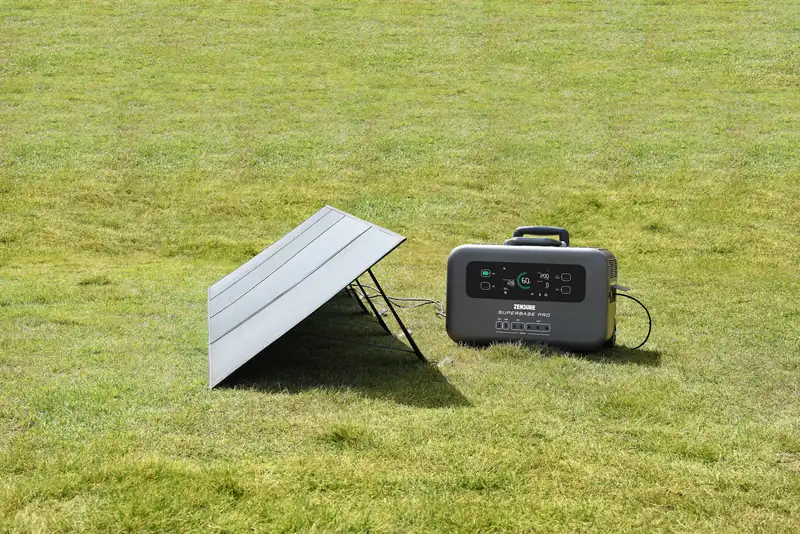
Portable generators are wheeled units that run on gasoline, propane or both. They're less expensive up front and can be useful for a few essential circuits.
- Manual setup: you have to fuel, start and connect the generator yourself — often in storm conditions.
- Limited capacity: most portables can run a refrigerator, some lights and small loads, but usually not central air conditioning.
- Safe connection is essential: the only safe way to connect a portable generator to home circuits is through a transfer switch or a code-approved interlock installed by a licensed electrician. Extension cords to individual appliances are the other option.
- Carbon monoxide: portables must run outdoors, well away from doors, windows and vents.
Standby generators
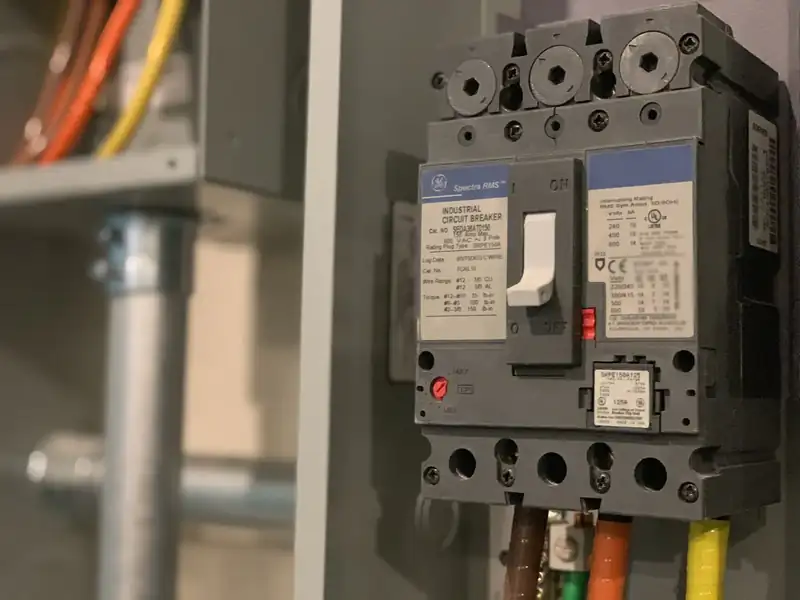
Standby generators are permanently installed outside the home and typically run on natural gas or propane. They connect to your electrical system through an automatic transfer switch (ATS).
- Automatic: when utility power fails, the ATS disconnects your home from the grid and starts the generator within seconds — even if you're away.
- Whole-home or essential circuits: a properly sized unit can run central AC, pool equipment, refrigeration and more.
- Fuel supply: natural gas provides continuous fuel; propane requires an appropriately sized tank.
- Permits and approvals: installation typically involves electrical permits, possibly gas permits, and HOA approval in many communities.
How to decide
| Portable | Standby | |
|---|---|---|
| Starts automatically | No | Yes |
| Can run central AC | Rarely | Yes, if sized for it |
| Fuel | Refuel by hand | Natural gas or propane |
| Up-front cost | Lower | Higher |
If outages are an inconvenience, a portable generator with a properly installed transfer switch may be enough. If you work from home, rely on medical equipment, or simply want the home to stay cool and safe through a multi-day outage, a standby system is usually the better fit.
Sizing starts with a load calculation
Whichever you choose, the right size depends on what you want to power. We perform a load calculation, recommend a generator size, and install the transfer equipment to code. See our generator installation services or call 754-289-8993.
Safety note: this guide is general information, not a substitute for an on-site evaluation. Electrical work should be performed by a licensed electrician.