Most EV owners do the majority of their charging at home. Getting the installation right — the charger, the circuit and your panel's capacity — makes charging faster, safer and more convenient.
Level 1 vs. Level 2
- Level 1 (120V) uses a standard household outlet. It's slow — typically a few miles of range per hour — but can work for short commutes when installed on a dedicated, properly rated outlet.
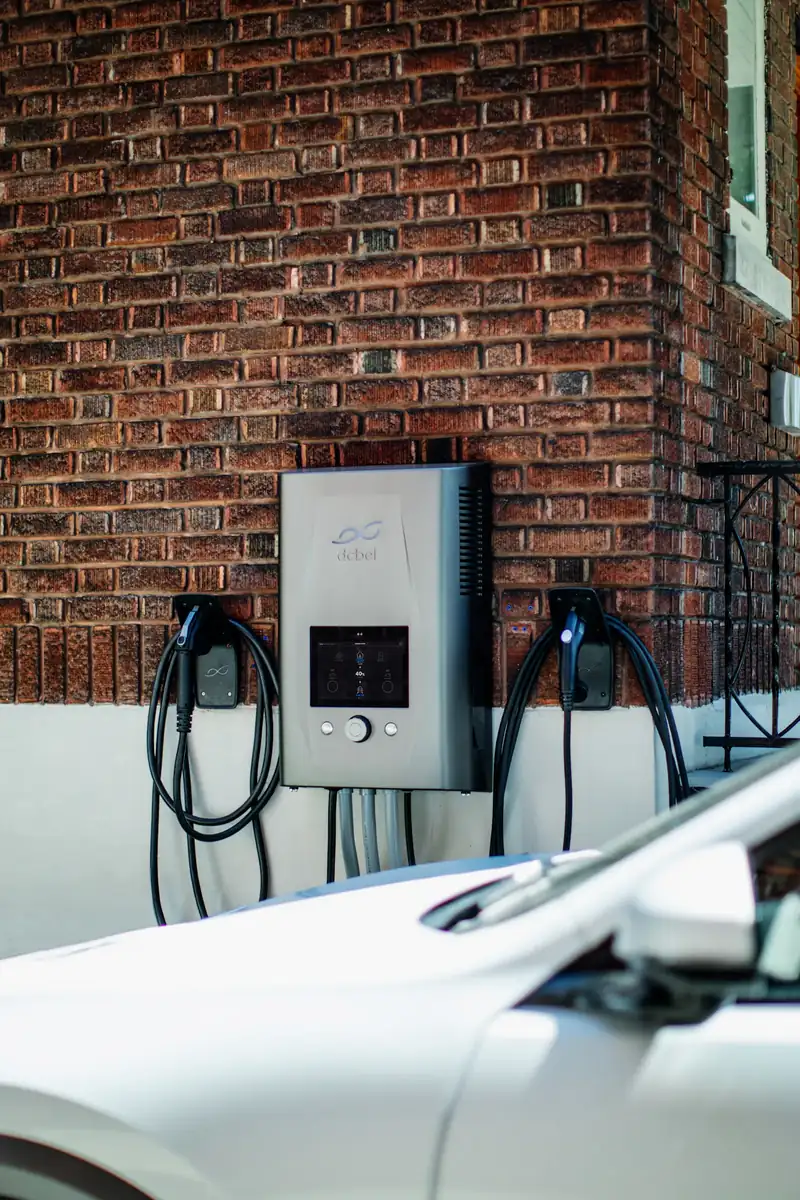
- Level 2 (240V) is what most owners choose. Depending on the charger and vehicle, it usually adds roughly 20 to 40+ miles of range per hour, enough to fully charge most EVs overnight.
Sizing the circuit
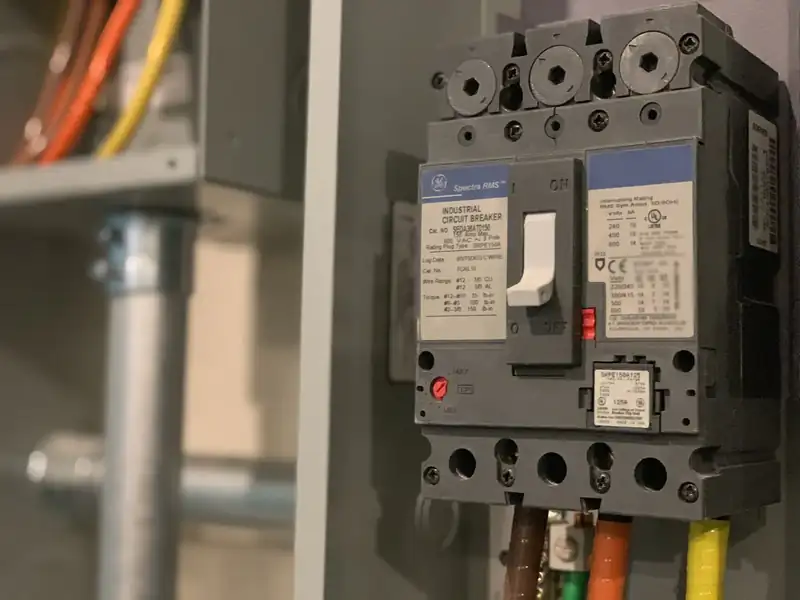
EV charging is a continuous load, so the circuit is sized with extra headroom. As a common example, a charger that delivers 32 amps is typically installed on a 40-amp circuit, and a 48-amp charger on a 60-amp circuit. Your charger's instructions and the electrical code determine the exact requirements.
Does your panel have room?
Before installing, we perform a load calculation. Many homes have enough capacity; others — especially older homes or homes with pools and large AC systems — may need load management or a panel upgrade.
Choosing a location
- Garage installs are the most common and keep equipment out of the weather.
- Driveway and carport installs need outdoor-rated chargers and enclosures — especially near the coast, where salt air is hard on equipment.
- Consider cable length, where you park, and whether a second EV may be coming.
Connectors
Many EVs use the J1772 connector, while Tesla vehicles use the NACS connector (now being adopted by other manufacturers). Adapters exist, but it's best to choose a charger that matches your vehicle.
Condos, HOAs and incentives
Condo and HOA communities often require approval and documentation before installation. Utility and manufacturer incentives change frequently, so check with FPL and your vehicle maker for current programs — we provide the installation documentation, photos and permit information those programs typically request.
Permits and inspection
A new 240V circuit for an EV charger generally requires an electrical permit and inspection. We handle both. See our EV charger installation services or call 754-289-8993.
Safety note: this guide is general information, not a substitute for an on-site evaluation. Electrical work should be performed by a licensed electrician.